
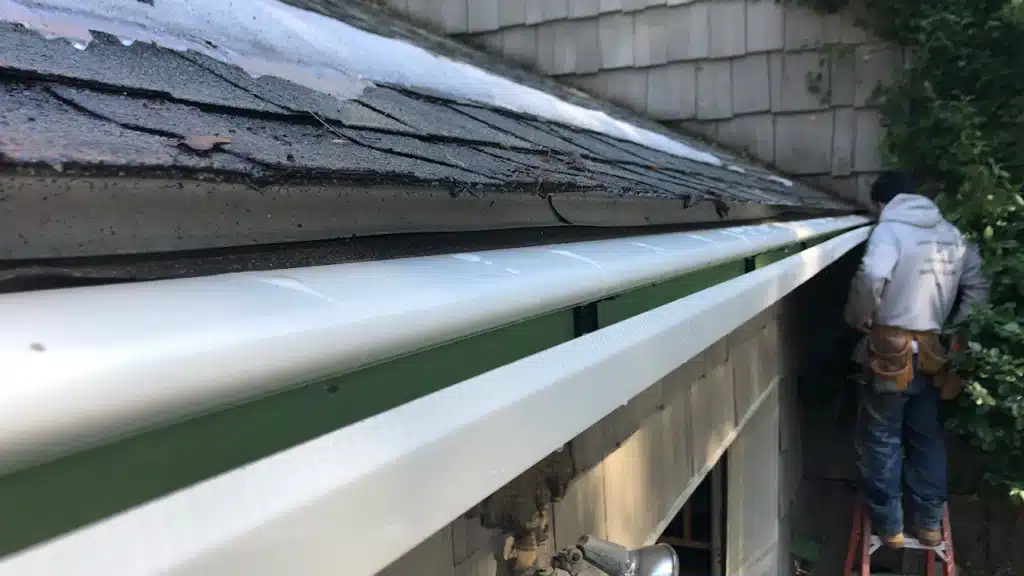
Gutters play a critical role in protecting your home from water damage, especially in regions like White Plains, New York, where seasonal weather can be harsh and unpredictable. Homeowners often face a common question: Is it better to repair existing gutters or replace them entirely? While repairs can offer a short-term fix, they typically come with limitations—particularly in climates like that of Westchester County.
Understanding the lifespan of gutter repairs and the factors that influence their durability can help you make informed maintenance decisions.
The Typical Lifespan of Gutter Repairs
In most cases, repaired gutters do not last as long as new, properly installed systems. Depending on the condition of the original gutters, the materials involved, and the quality of the repair work, fixes generally last between 1 and 5 years.
This shorter lifespan is largely due to repairs that address symptoms rather than the root cause of deterioration. If a gutter system is already aging or structurally compromised, even a well-executed repair may only delay the inevitable need for replacement.
Lifespan by Type of Repair
Not all gutter repairs are equal. The longevity of a fix depends heavily on the type and severity of the issue being addressed.
Minor Repairs: Sealants and Adjustments
Minor repairs, such as resealing leaking joints or tightening loose hangers, can be relatively effective—especially when performed on newer gutter systems.
- Expected lifespan: 3 to 5+ years
- Best for: Gutters under 10–15 years old
- Limitations: May not hold if underlying structural issues exist
These repairs are often preventive in nature and can extend the life of otherwise healthy gutters. However, they rely on the overall system still being in good condition.
Moderate Repairs: Patching Holes or Leaks
Moderate repairs involve patching small holes, sealing cracks, or addressing localized corrosion.
- Expected lifespan: 1 to 3 years
- Best for: Isolated damage in otherwise functional gutters
- Limitations: Susceptible to recurring leaks, especially in rust-prone materials
While patching can be cost-effective initially, it is usually a temporary solution. Over time, surrounding material may weaken, leading to additional failures.
Repairs on Aging Gutters (20 Years or More)
When gutters reach or exceed 20 years of age, repairs tend to become significantly less reliable.
- Expected lifespan: Often less than 1 year
- Common issues: Sagging, warping, rust, and joint separation
- Recommendation: Replacement is typically more cost-effective
At this stage, the entire system is usually nearing the end of its functional life, and repeated repairs may result in ongoing expenses without long-term benefit.
Climate Challenges in White Plains, NY
One of the most important factors influencing the lifespan of gutter repairs in White Plains is the local climate. Westchester County experiences a range of weather conditions that can accelerate gutter wear and tear.
Freeze-Thaw Cycles
During winter, water trapped in gutters can freeze and expand. When temperatures rise, the ice melts, and the cycle repeats.
- This process places stress on joints and seams
- Repaired areas are particularly vulnerable to cracking
- Sealants and patches may fail prematurely
Snow and Ice Accumulation
Heavy snow and ice buildup can weigh down gutters, leading to sagging or detachment from the roofline.
- Repairs on already weakened systems may not hold under the added weight
- Structural integrity becomes a key concern
Seasonal Debris
Falling leaves and debris in autumn can clog gutters, causing water overflow and added strain.
- Without regular cleaning, even repaired gutters can fail quickly
- Blockages contribute to rust and corrosion over time
Key Factors That Affect Repair Longevity
Beyond the type of repair and local weather conditions, several other factors determine how long a gutter repair will last.
Material Type
Different gutter materials respond differently to repairs:
- Aluminum: Common and lightweight, typically lasts 20–30 years; repairs are moderately durable
- Steel: Strong but prone to rust; repairs may degrade more quickly
- Copper: Highly durable and long-lasting (50+ years); repairs tend to hold better over time
The material plays a significant role in both the effectiveness and longevity of any repair work.
Maintenance Routine
Regular maintenance is essential for extending the life of both gutters and repairs.
- Cleaning gutters at least twice a year helps prevent buildup
- Inspecting for early signs of wear allows for timely intervention
- Neglect can shorten repair lifespan significantly
Frequency of Repairs
If your gutters require frequent repairs—more than once every few years—it is often a sign that the system is failing.
- Repeated fixes indicate underlying structural issues
- Costs can accumulate quickly without providing lasting results
When Repairs Are No Longer Enough
There comes a point when repairing gutters becomes impractical or no longer cost-effective. Recognizing these signs can help you avoid unnecessary expenses and potential damage to your home.
Visible Structural Issues
If your gutters are:
- Sagging or pulling away from the house
- Warped or uneven
- Showing widespread rust or corrosion
Then repairs are unlikely to provide a lasting solution.
Cost Considerations
A general rule of thumb is:
- If repair costs exceed 50% of the cost of a new system, replacement is the better investment
New gutters offer improved performance, durability, and long-term value.
Persistent Problems
Recurring leaks, clogs, or drainage issues—even after repairs—indicate that the system is no longer functioning efficiently.
Repair vs. Replacement: Making the Right Choice
Choosing between repair and replacement depends on several factors, including the age of your gutters, the extent of damage, and your long-term goals.
- Choose repair if: The gutters are relatively new and the damage is minor
- Choose replacement if: The system is aging, frequently failing, or structurally compromised
While repairs may seem more affordable upfront, replacement often provides better value over time, especially in challenging climates like White Plains.
Conclusion
Repaired gutters in White Plains, NY typically last 1 to 5 years, depending on the situation. The region’s freeze-thaw cycles, heavy snowfall, and seasonal debris can further reduce repair longevity.
For minor issues with newer gutters, repairs can be worthwhile and extend their lifespan. However, for older or heavily damaged systems, replacement is often the more reliable and cost-effective choice. By understanding the limitations of repairs and the factors that influence their longevity, homeowners can make smarter decisions that protect both their property and their investment.
Protect Your White Plains Home Before Gutter Damage Gets Worse
Don’t wait until minor gutter issues turn into costly home repairs. In White Plains, NY, changing seasons and freeze-thaw cycles can quickly worsen small leaks or loose gutter sections. At All State LeafGuard, we help homeowners take proactive steps to protect their homes from water damage. Whether your gutters need a quick fix or a full upgrade, our team evaluates your system honestly and recommends the best long-term solution. Temporary repairs may only last a few years—especially in Westchester County’s climate. That’s why we focus on durable solutions that reduce maintenance and improve performance. Our seamless systems are designed to handle heavy rain, snow, and debris without constant upkeep. Schedule your inspection today and gain peace of mind knowing that your home is protected year-round. A small step now can prevent major expenses later.
Frequently Asked Questions
Most gutter repairs last 1 to 5 years, depending on the severity of the issue, the material, and environmental conditions.
Repairs can be worthwhile for minor issues, but harsh weather conditions often make them temporary solutions, especially for older systems.
New gutters typically last 20–30 years for aluminum and over 50 years for copper, provided they are installed and maintained properly.
Regular cleaning, prompt maintenance, and early issue resolution can maximize the lifespan of repairs.
Replacement is recommended when gutters are over 20 years old, show structural damage, or when repair costs exceed half the cost of a new system.