
Homes in Stamford, Connecticut, face a wide range of weather conditions throughout the year. From intense coastal rainstorms and high winds to heavy snowfall and freezing temperatures, Stamford’s climate constantly challenges residential gutter systems. When gutters fail, the resulting water damage can affect foundations, roofing materials, siding, and landscaping.
Gutter guards are increasingly recommended for storm-prone regions like Stamford because they help maintain proper water flow during severe weather. By preventing debris buildup while allowing rainwater and melting snow to drain efficiently, these systems enhance storm preparedness and reduce maintenance risks.
This guide explores why gutter guards are a practical investment for homeowners in Stamford and how they help protect properties year-round.

Understanding Stamford’s Weather Challenges
Stamford’s location along Long Island Sound means it experiences coastal storm systems, heavy rainfall, and seasonal snowfall: nor’easters frequently deposit leaves, twigs, and debris onto roofs and into gutters. When combined with freezing winter temperatures, clogged systems can quickly turn into structural liabilities.
Without adequate protection, gutters become overwhelmed during storms. Overflowing water may spill over roof edges, pool near foundations, and create long-term damage. Gutter guards act as a first line of defense by minimizing the risk of blockages during critical weather events.
Prevention of Heavy Rain Overflow
The Risk During Intense Storms
Stamford regularly experiences heavy rainfall that can overwhelm traditional gutter systems—especially when they are clogged with leaves and debris. Even a partial blockage can disrupt water flow, causing it to spill over the edges of the gutter.
Overflowing water often lands directly against siding, windows, and landscaping, which may result in:
- Exterior staining
- Soil erosion
- Damage to window frames
- Water infiltration along the roof edges
How Gutter Guards Help
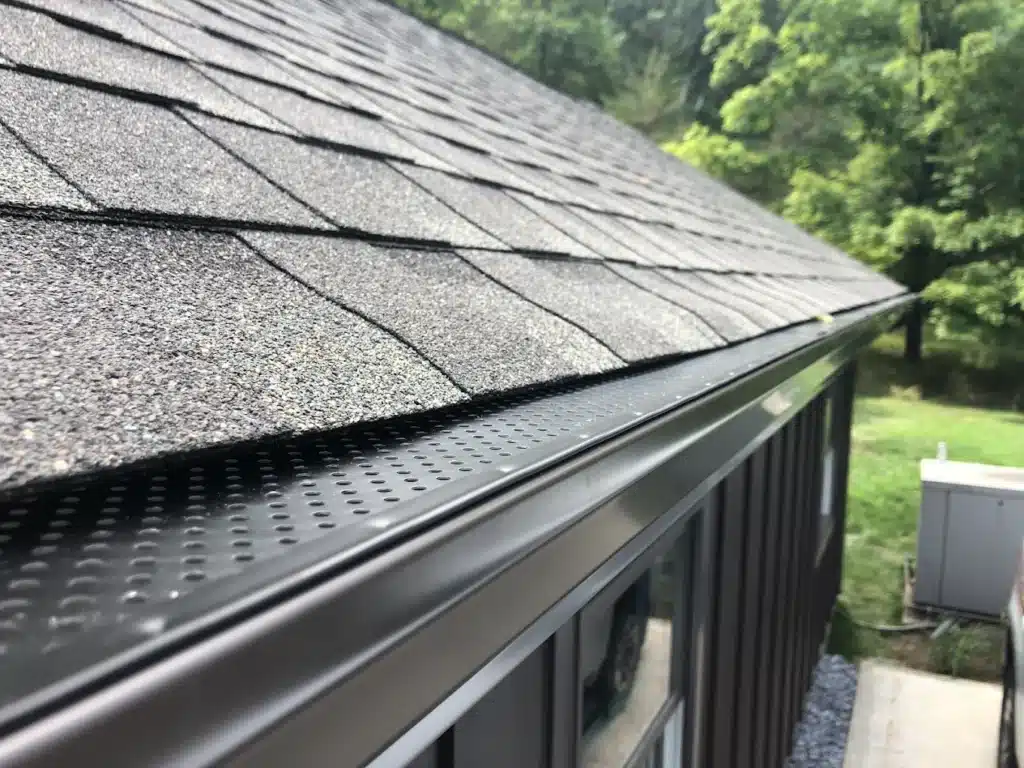
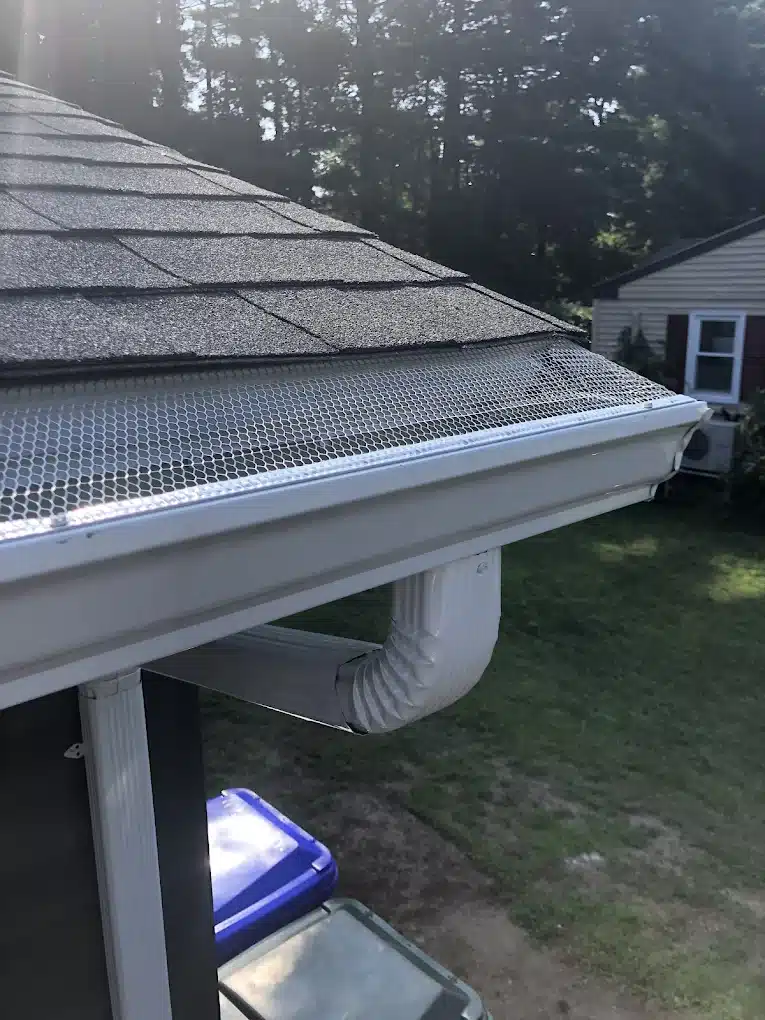
Gutter guards are designed to allow water to enter while preventing debris from accumulating inside the channel. High-quality systems, such as stainless steel micromesh or durable aluminum guards, filter out small particles while maintaining consistent drainage.
During heavy downpours, this uninterrupted flow helps direct rainwater safely through downspouts and away from the home.
Protection Against Foundation Damage
The Hidden Threat of Pooling Water
One of the most serious consequences of clogged gutters is foundation damage. When water overflows, it often collects at the base of the home. Over time, repeated saturation can weaken soil stability and cause erosion around the foundation.
In extreme cases, this may lead to:
- Cracks in foundation walls
- Basement moisture intrusion
- Structural shifting
- Long-term settlement issues
Why Clear Drainage Matters
Gutter guards help maintain a consistent water pathway from the roof to the downspout. By preventing clogs, they ensure water is discharged at a safe distance from the home’s foundation.
In a region like Stamford, where heavy rainstorms are common, maintaining effective drainage is essential to preserving structural integrity.
Mitigation of Ice Dams in Winter
Understanding Ice Dam Formation
Winter presents a different set of challenges. When gutters are clogged and temperatures drop, trapped water can freeze. As snow melts from the roof and refreezes at the edge, it forms ice dams—thick ridges of ice that block proper drainage.
Ice dams may cause water to back up under roofing materials, leading to:
- Roof leaks
- Interior ceiling stains
- Insulation damage
- Mold growth
The Role of Gutter Guards
Stainless steel micromesh or fine-mesh gutter guards help prevent debris buildup that contributes to water pooling and freezing. By allowing melted snow to flow more freely through the system, guards reduce the likelihood of ice buildup.
While no system can eliminate the risk of ice dams under severe conditions, proper gutter protection significantly reduces contributing factors.
Reduced Maintenance After Storms
The Safety Concern
Cleaning gutters is one of the more hazardous routine home maintenance tasks. Climbing ladders after storms—particularly when surfaces are wet or icy—poses safety risks.
In Stamford, high winds frequently deposit debris into gutters multiple times per year. Without protection, homeowners may need to clean their gutters several times annually.
The Maintenance Advantage
Gutter guards reduce the amount of debris entering the system, minimizing the need for frequent cleanings. While occasional inspections are still recommended, many homeowners find that maintenance shifts from multiple seasonal cleanings to simple check-ups.
This not only improves safety but also reduces long-term upkeep costs.
Prevention of Sagging and Structural Damage
The Weight of Wet Debris
Leaves and organic debris become significantly heavier when saturated with rainwater or snow. The additional weight strains hangers and brackets, causing gutters to sag.
Over time, this strain may cause:
- Gutters pulling away from the roofline
- Loose fasteners
- Warped sections
- Premature system failure
Extending Gutter Lifespan
By preventing debris accumulation, gutter guards help reduce excess weight inside the system. This reduces stress on structural components and extends the life expectancy of the gutters.
For homes exposed to frequent storms and seasonal snow loads, this added durability is particularly valuable.
Deterring Pests and Standing Water Issues
Clogged gutters filled with damp debris create an inviting environment for pests. Mosquitoes breed in standing water, while birds and rodents may nest in accumulated leaves.
In addition to being a nuisance, pests can contribute to further blockages and sanitation concerns.
Gutter guards minimize standing water and remove nesting material, helping to reduce pest activity around the roofline.
Recommended Materials for Northeast Weather
Given Stamford’s varied climate, durability is key. Experts typically recommend:
- Stainless steel micromesh systems for fine debris filtration
- Aluminum guards for corrosion resistance and strength
- Weather-resistant materials capable of handling freeze-thaw cycles
Selecting high-quality materials ensures the system can withstand heavy rain, strong winds, snow loads, and temperature fluctuations common in the Northeast.
Conclusion
In a storm-prone coastal city like Stamford, Connecticut, gutter guards serve as an important preventative measure. By preventing debris buildup, improving water flow, reducing ice-dam risk, and minimizing maintenance requirements, these systems enhance a home’s ability to withstand severe weather.
While gutters are often overlooked until problems arise, investing in proper protection helps safeguard foundations, roofing systems, and exterior structures year-round. For homeowners seeking improved storm preparedness and long-term property protection, gutter guards are a practical and effective solution.
Stop Gutter Overflows During Heavy Rainfall
When heavy rain hits Stamford, clogged gutters can quickly become a liability. Even a small blockage can disrupt water flow, causing runoff to spill over the edges and soak siding, landscaping, and window frames. All State LeafGuard provides a seamless, one-piece gutter system that prevents debris from entering while channeling water efficiently through downspouts. This design helps maintain consistent drainage during high-volume storms, reducing the risk of exterior staining and soil erosion.
Instead of reacting to water damage after it occurs, take a proactive step toward storm readiness. Schedule your free estimate with All State LeafGuard and experience the confidence that comes from uninterrupted water flow—even during the heaviest downpours.
Frequently Asked Questions
No. While they significantly reduce the need for cleaning, occasional inspections and minor maintenance are still recommended.
Yes. By minimizing debris buildup, they reduce water pooling and lower the risk of ice dams forming along the roof edge.
They help by ensuring water is directed away from the foundation, which reduces one common cause of basement moisture issues.
Durable systems made from stainless steel micromesh or aluminum are typically recommended for handling heavy rain, wind, and snow.
For many homeowners, the reduced maintenance, extended gutter lifespan, and protection against water damage make them a worthwhile investment.