
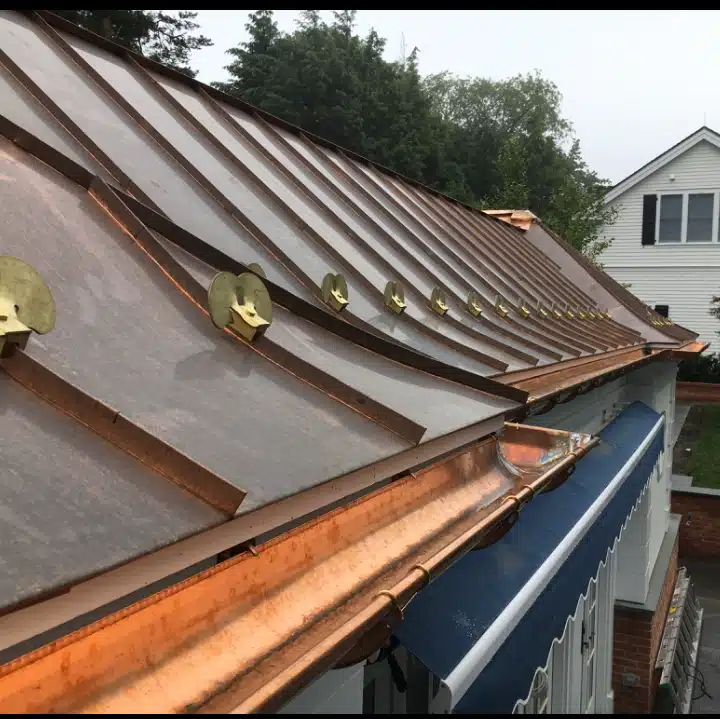
Gutter systems play an essential role in protecting homes from water damage, but coastal communities such as Yonkers present unique challenges that accelerate wear and tear on gutters more quickly than their inland counterparts. Homeowners in Yonkers face heavy rainfall, strong coastal winds, salt-laden air, winter ice dams, and dense tree coverage – factors that cause gutter systems to deteriorate more rapidly than in inland locations. Recognizing early warning signs of gutter damage is key. Addressing small issues quickly can help ward off larger ones, such as foundation damage, basement leakage, and structural rot. Below are the most likely indicators that Yonkers gutters require immediate repair.
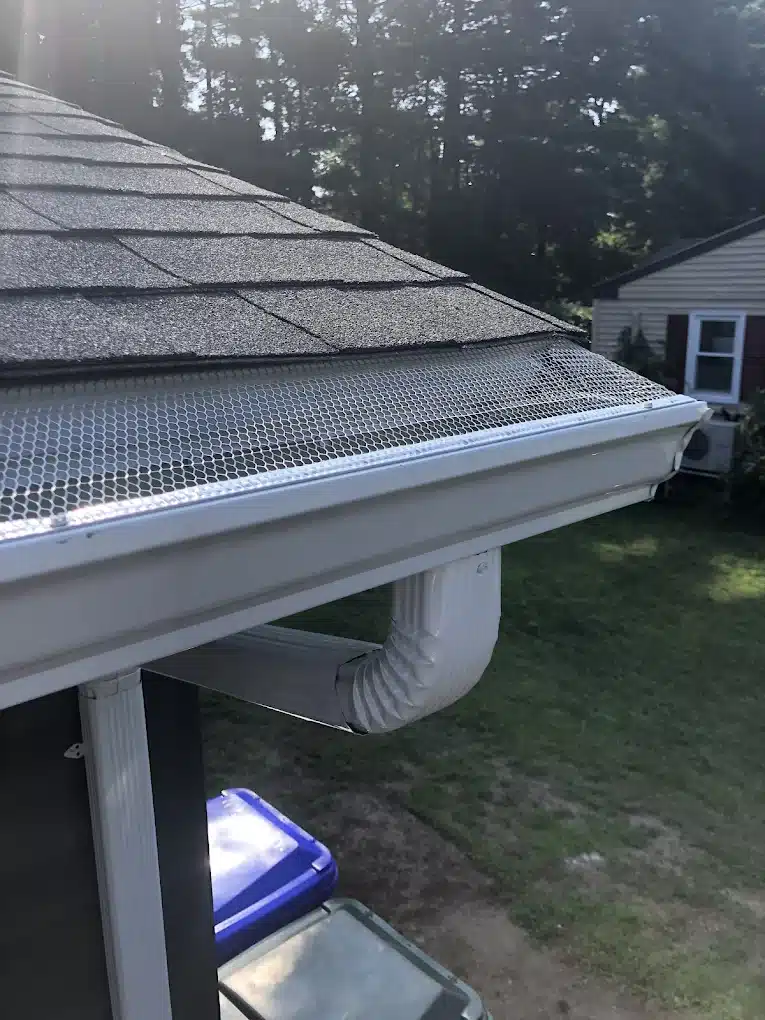
Visible Damage and Structural Issues
Sagging or Detached Gutters
Sagging gutters are a telltale sign of gutter trouble. Gutter sections that bow inward or pull away from their fascia boards, often due to debris or ice buildup, can become overwhelmed. Yonkers experiences abundant autumn leaf fall and winter snowfall, which places additional strain on gutter systems.
If gutters no longer sit flush against your roofline or appear uneven, their supporting hardware could be failing. Left unattended, these sagging gutters could detach completely and release large volumes of water near the foundation, increasing the risk of localized flooding.
Cracks, Holes, and Rust Spots
Small cracks or pinholes in gutters may not seem urgent, but they can quickly worsen. Older metal gutters are especially prone to rust, particularly at seams where water tends to sit. Coastal moisture and salt exposure can accelerate corrosion, making this a common issue in Yonkers.
Even minor rust spots should be taken seriously, as they often indicate thinning metal that can eventually fail.
Separation at Seams
Many gutter systems are constructed in sections joined together at seams. Over time, temperature fluctuations, wind, and debris can cause these seams to pull apart. When this happens, water leaks through the joints rather than flowing toward the downspouts.
Seam separation is a clear sign that repairs are needed, as leaking joints can cause concentrated water damage along exterior walls.
Loose or Missing Hardware
Finding screws, nails, or gutter hangers on the ground around your home is a strong indicator of gutter failure. Hardware can loosen due to wind stress, corrosion, or repeated expansion and contraction during freeze-thaw cycles.
Missing or loose hardware reduces the system’s ability to support water weight, increasing the risk of sagging or collapse during heavy rain.
Signs of Water Management Failure
Water Overflowing During Rain
If water spills over the sides of your gutters during a rainstorm, it usually means something is wrong. Common causes include clogs from leaves and debris, improper gutter pitch, or gutters that are too small to handle roof runoff.
Overflow is more than a nuisance—it can saturate soil near the foundation and cause erosion, especially during repeated storms.
Water Pooling Near the Foundation
Puddles or consistently wet soil directly beneath gutters indicate that water is not being directed away from the home. This may result from damaged gutters, disconnected downspouts, or improper slope.
Over time, water pooling near the foundation can lead to basement leaks, foundation cracks, and structural instability.
Water Running Down the Siding
Vertical streaks, stains, or discoloration on siding often point to gutter problems. When water escapes the gutter system, it may run down exterior walls rather than flow through downspouts.
This can damage siding materials, lead to mold growth, and stain painted surfaces, reducing both durability and curb appeal.
“Lines in the Soil Below Gutters” Below Gutters
A distinct trench or line in the soil or landscaping directly beneath the gutter line is a subtle but telling sign. This pattern forms from constant dripping or overflow in the same location over time.
These lines indicate chronic water mismanagement and should prompt a gutter inspection.
Signs of Long-Term Water Damage
Peeling Paint and Rust Stains
Peeling paint on gutters or on the exterior walls below them suggests prolonged moisture exposure. Rust stains running down siding are another common indicator, especially with older metal gutter systems.
These signs often appear after months or years of unnoticed leaks and should not be ignored.
Mold, Mildew, or Rot
The presence of mold, mildew, or rotting wood near the roof overhang, fascia boards, or foundation is a serious warning sign. Persistent moisture creates ideal conditions for fungal growth and wood decay.
In coastal environments like Yonkers, high humidity can worsen these issues, allowing damage to spread quickly if left untreated.
Damp Basement or Crawlspace
Water appearing in the basement or crawlspace after rainstorms is often linked to gutter failure. When gutters do not direct water away from the home, runoff can seep into below-grade areas.
Repeated moisture intrusion can damage insulation, promote mold growth, and compromise structural components.
Yonkers-Specific Factors That Accelerate Gutter Damage
Yonkers’s proximity to the coast exposes gutters to salt air, which increases the risk of rust and corrosion—particularly in older galvanized systems. Additionally, many neighborhoods feature mature trees that shed heavy debris year-round.
Without regular cleaning, debris buildup can add significant weight to gutters, causing sagging and increasing the likelihood of damage during storms or winter freezes. In tree-heavy areas, gutters often require cleaning at least twice per year to remain functional.
Why Prompt Repairs Matter
Ignoring gutter damage can lead to costly repairs beyond the gutter system itself. Water damage to foundations, siding, fascia, and basements often exceeds the cost of timely gutter repair.
Early intervention—such as resealing seams, replacing damaged sections, or securing loose hardware—can extend the lifespan of the entire system and protect the home’s structural integrity.
Conclusion
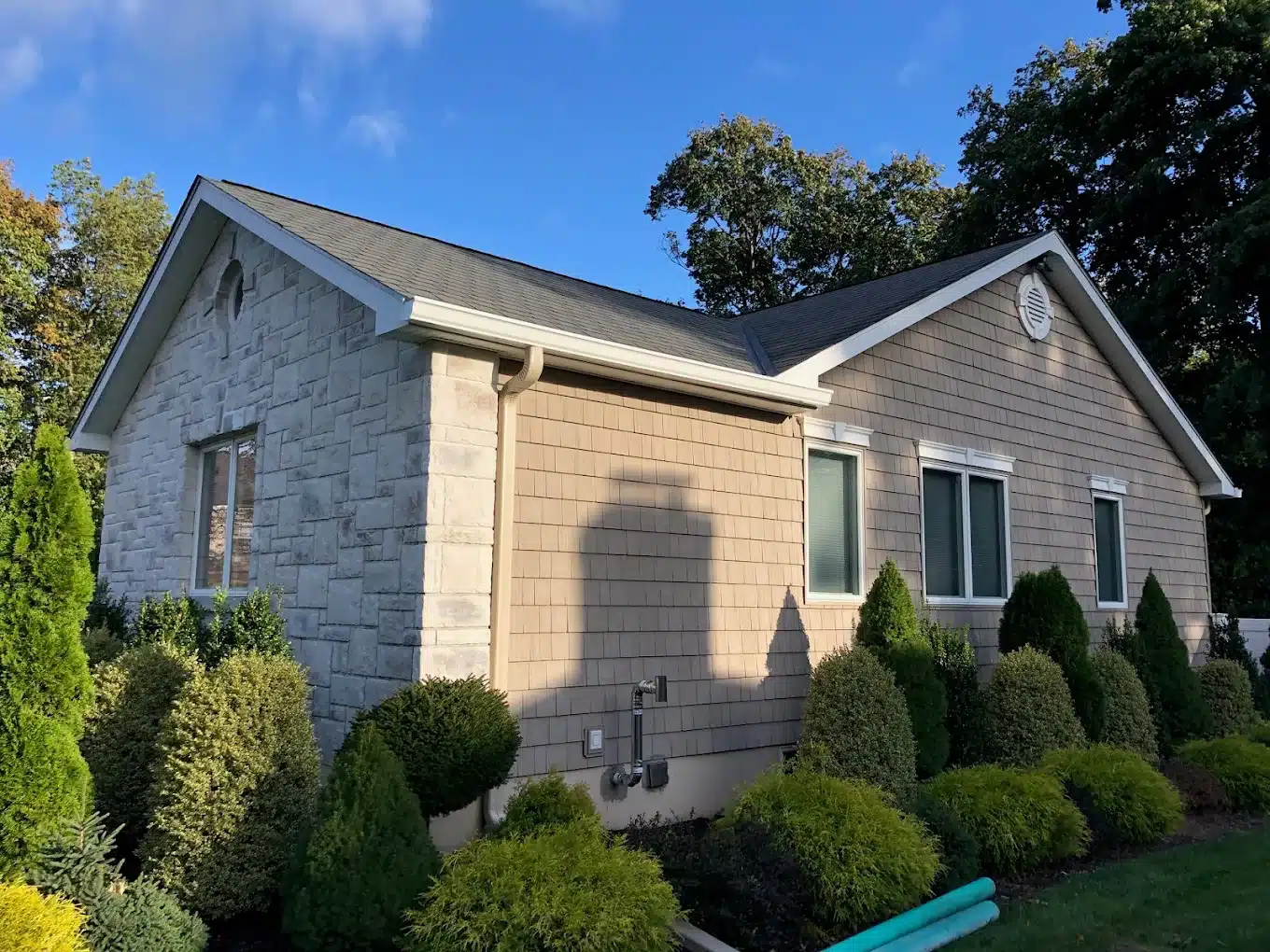
Gutters in Yonkers, NY, face unique challenges due to coastal weather, dense tree coverage, and seasonal ice. Common signs that gutters need repair include sagging sections, visible rust or cracks, overflowing water, pooling near the foundation, and evidence of long-term moisture damage.
Homeowners who recognize these warning signs early and address them promptly can prevent extensive water damage and maintain their home’s health. Regular inspections, especially after major storms or winter weather, are an important part of protecting any coastal property.
Don’t Ignore Sagging Gutters. Fix Them Before They Fail
Sagging gutters can be more than an aesthetic problem; they can indicate structural stress, loose hardware, or excess debris weight. In coastal towns like Yonkers, this issue can become especially severe. All State LeafGuard offers professional gutter repair services to stabilize sagging sections before they fully detach from fascia boards and cause water to flow directly near foundations, leading to costly foundation water damage and sudden gutter collapses. If you have noticed uneven or drooping gutters, now is the time to take action; call All State LeafGuard today for an expert inspection and timely repairs.
Frequently Asked Questions
Gutters should be inspected at least twice a year, typically in spring and fall, and after major storms.
Yes. Coastal air can accelerate corrosion, making rust a common and serious issue that often requires repair or replacement.
Minor sagging can often be repaired by replacing hangers or hardware, but severe sagging may require partial or full replacement.
Yes. Ice dams add significant weight and can pull gutters away from the fascia, causing structural damage.
Water pooling near the foundation or leaking into the basement should be addressed immediately, as these issues can lead to serious structural damage.