

Gutters play a critical role in protecting homes from water damage, particularly in regions that experience heavy rainfall, snow, and seasonal debris. In White Plains, New York, year-round fluctuating weather conditions place significant stress on residential gutter systems. From falling leaves in autumn to snow accumulation in winter and heavy spring rains, local homeowners frequently encounter a range of gutter repair issues.
Understanding the most common problems—and addressing them promptly—can help prevent costly structural damage. This guide explains the key gutter repair issues seen in White Plains, how they impact homes, and why regular maintenance is essential.
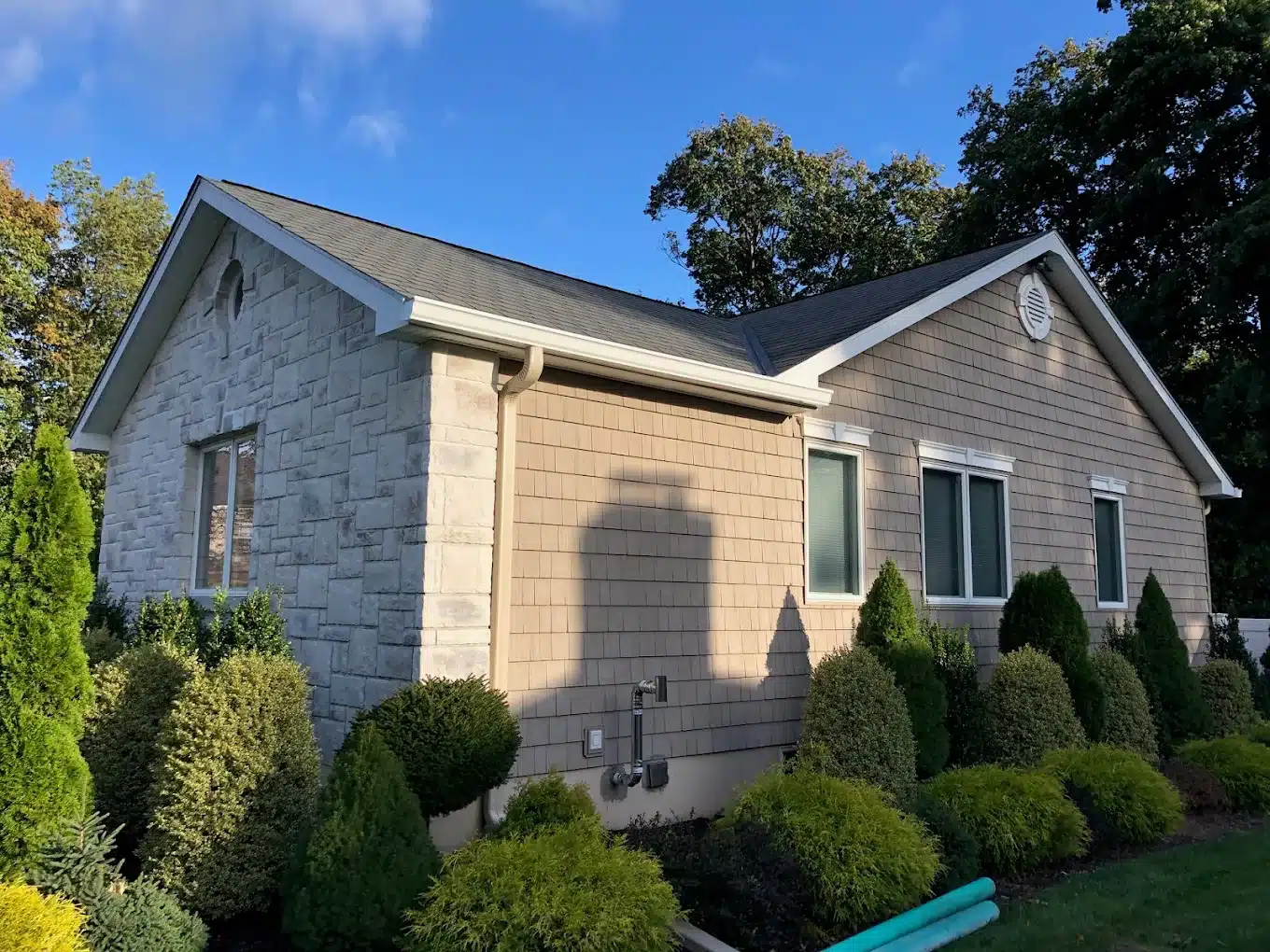
Why Gutters Matter in a Four-Season Climate
White Plains experiences all four seasons distinctly. Autumn brings falling leaves, winter delivers snow and ice, spring produces heavy rainfall, and summer storms can be intense. Gutters are designed to channel water away from the roof and foundation, but when they become compromised, water can overflow or pool where it shouldn’t.
When gutters fail to function properly, water may seep into foundations, damage siding, rot roof components, and even cause basement flooding. For this reason, regular inspection and maintenance are not optional—they are a necessary part of responsible homeownership in this region.
Clogged Gutters and Downspouts
The Problem
Clogging is the most common gutter issue in White Plains. Leaves, twigs, seed pods, and roof granules accumulate inside the gutter channel and downspouts. During heavy rain or snowmelt, this debris blocks the normal flow of water.
When downspouts become obstructed, water backs up and spills over the edges of the gutter system.
Why It Happens
Tree-lined neighborhoods are common in the area, which means falling debris is unavoidable. Seasonal transitions—especially fall and early spring—significantly increase the risk of blockage.
The Consequences
Overflowing water can:
- Pool near the foundation
- Cause soil erosion around the home
- Lead to basement leaks
- Stain siding and exterior walls
Routine cleaning, particularly in spring and fall, helps prevent these issues.
Sagging or Detached Gutters
The Problem
Sagging gutters are often caused by hangers or brackets that are weakened or no longer support the system’s weight. In winter, snow and ice buildup can put excessive strain on the system. When gutters pull away from the roofline, they cannot properly channel water.
In more severe cases, sections of the gutter may detach completely.
Why It Happens
Several factors contribute:
- Heavy snow accumulation
- Ice dams are forming along the roof edge
- Clogged gutters holding standing water
- Aging fasteners or improper installation
Over time, the added weight and stress compromise the structural support of the gutter system.
The Consequences
Detached or sagging gutters allow water to run directly down exterior walls, which can:
- Damage siding
- Increase the risk of mold growth
- Contribute to the foundation settlement
- Cause paint to peel
Re-hanging and reinforcing the system is often necessary to restore proper function.
Leaks, Cracks, and Holes
The Problem
Gutters naturally expand and contract with temperature changes. Over years of exposure to harsh weather, seams may separate, and materials—whether aluminum, steel, or vinyl—can develop cracks or small holes.
Leaks commonly occur at joints where two sections connect.
Why It Happens
Contributing factors include:
- Aging materials
- Standing water caused by an improper slope
- Corrosion in metal gutters
- UV exposure weakens vinyl components
Winter freeze-thaw cycles in White Plains further accelerate deterioration.
The Consequences
Even small leaks can cause significant damage over time:
- Wood rot along fascia boards
- Water intrusion beneath roofing materials
- Staining along the siding
- Localized foundation damage
Sealing joints or replacing damaged sections helps prevent more extensive structural problems.
Improper Slope or Pitch
The Problem
Gutters must be installed with a slight downward pitch toward the downspouts to allow gravity to move water efficiently. If the slope is incorrect—or if sections shift out of alignment—water will pool rather than drain.
Standing water increases strain on the system and accelerates wear.
Why It Happens
Improper slope may result from:
- Poor initial installation
- Sagging due to weight stress
- Structural settling of the home
- Loose or failing hangers
Over time, even minor shifts can disrupt proper drainage.
The Consequences
Pooling water contributes to:
- Rust and corrosion
- Ice formation in winter
- Increased debris buildup
- Premature gutter failure
Correcting the pitch typically involves adjusting or re-hanging sections to restore consistent flow.
Damaged Fascia and Roofline Components
The Problem
The fascia board—the wooden board behind the gutter—anchors the entire system. When gutters overflow or leak, water can seep into the wood, causing rot.
In some cases, homeowners may not notice fascia damage until the gutters begin to pull away from the roofline.
Why It Happens
Repeated exposure to moisture from:
- Overflowing gutters
- Leaking seams
- Ice dams
- Improper drainage
Over time, this moisture weakens the board’s structural integrity.
The Consequences
Rotted fascia boards:
- Compromise gutter stability
- Attract pests
- Allow water to enter the roof decking
- Increase overall repair costs
In many situations, fascia replacement is required alongside gutter repair.
The Impact of Ignoring Gutter Problems
When gutter issues go unaddressed, small maintenance problems can escalate into major home repairs. In White Plains, where precipitation levels fluctuate throughout the year, poor drainage quickly affects a home’s structural integrity.
Common long-term consequences include:
- Foundation cracking or settlement
- Basement flooding
- Mold growth
- Exterior paint deterioration
- Soil erosion around the home
Water damage often develops gradually, making routine inspection critical. Preventive maintenance costs far less than structural restoration.
Seasonal Maintenance Recommendations
To manage common gutter problems effectively, homeowners should:
- Inspect gutters twice per year (spring and fall)
- Remove leaves and debris
- Check for loose brackets or sagging sections
- Test downspouts to ensure proper drainage
- Examine fascia boards for signs of moisture damage
After heavy snowstorms or major rain events, an additional inspection may be advisable.
Proactive care helps extend the lifespan of the gutter system and reduces the risk of emergency repairs.

Conclusion
Gutter systems in White Plains face constant seasonal challenges, from falling autumn leaves to winter snow and spring rainstorms. The most common repair issues—clogging, sagging, leaks, improper slope, and damaged fascia—can all lead to serious water damage if left unresolved.
Regular cleaning, timely repairs, and proper inspection are essential for protecting your home’s foundation, roofline, and exterior surfaces. By addressing minor problems early, homeowners can avoid costly structural damage and maintain their property’s long-term value.
Protect Your White Plains Home with All State LeafGuard
Water damage doesn’t wait—and neither should you. In a four-season climate like White Plains, clogged or damaged gutters can quickly lead to foundation cracks, roof rot, and basement leaks. That’s where All State LeafGuard steps in. Our team understands the unique seasonal challenges local homeowners face, from heavy autumn leaf fall to winter ice buildup and intense spring rains. Don’t let sagging gutters or hidden leaks compromise your home’s value. Our specialists assess your entire drainage system, ensuring proper slope, secure attachments, and long-term durability. With our advanced leaf-shedding design, you can enjoy fewer maintenance headaches and greater peace of mind. Contact All State LeafGuard today to schedule your free consultation and protect your White Plains home before the next storm hits.
Frequently Asked Questions
At a minimum, gutters should be cleaned twice per year—once in the spring and once in the fall. Homes surrounded by trees may require more frequent cleaning.
Sagging sections, visible cracks, leaking joints, pooling water, and gutters pulling away from the roofline typically indicate the need for repair.
Yes. When water overflows and pools near the foundation, it can lead to soil erosion, cracking, and long-term structural issues.
A correct slope ensures water flows efficiently toward downspouts. Without it, water collects inside the gutter, increasing the risk of leaks and material deterioration.
Not always. Early-stage rot may be hidden behind the gutter system. Regular inspections help detect moisture damage before it becomes severe.